A Complete Historical Account & The Debate That Continues to Shape India
The Babri Masjid–Ram Janmabhoomi dispute remains one of the most defining and sensitive chapters in India’s modern history. It is a story that includes historical claims, political mobilization, communal tensions, and finally, a Supreme Court verdict that has sparked global debate.
Early History
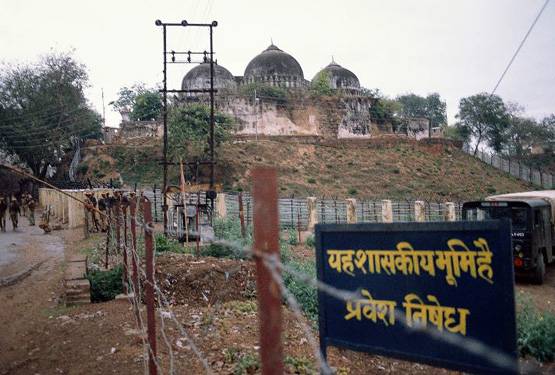
The Babri Masjid was built in 1528 by Mir Baqi during the rule of Mughal emperor Babur.
For centuries, the site was used by Muslims for prayer, while Hindus worshipped outside the mosque at a platform called Ram Chabutra.
By the late 19th century, the British administration officially marked the location as “disputed.”
1949: Idols Placed Inside the Mosque
In December 1949, idols of Ram were placed inside the mosque overnight.
The state locked the mosque to prevent communal tension.
Multiple civil suits were filed, marking the beginning of the legal battle.
1986–1992: Rise of the Ayodhya Movement
In 1986, a court order opened the locks, allowing Hindu worship inside.
This led to:
- Mass mobilization by several Hindu organizations
- Rallies, yatras, and nationwide campaigns
- A sharp rise in political polarization
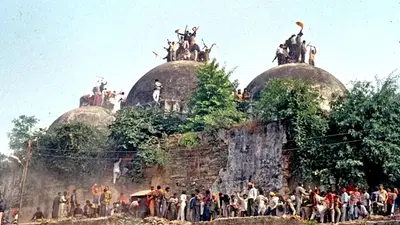
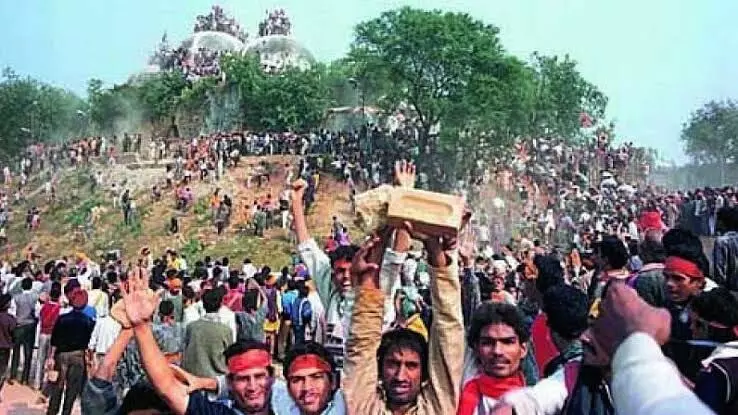
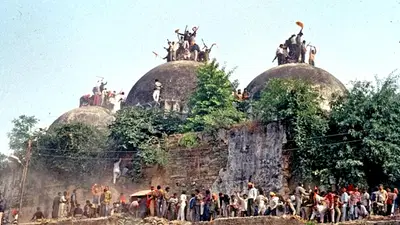
6 December 1992: Demolition of Babri Masjid
A huge crowd of kar sevaks gathered in Ayodhya.
Despite security deployment, the mob demolished the mosque in broad daylight.
The event triggered one of India’s worst communal outbreaks.
The Liberhan Commission later described the demolition as pre-planned and held several political and organizational leaders morally and administratively responsible.
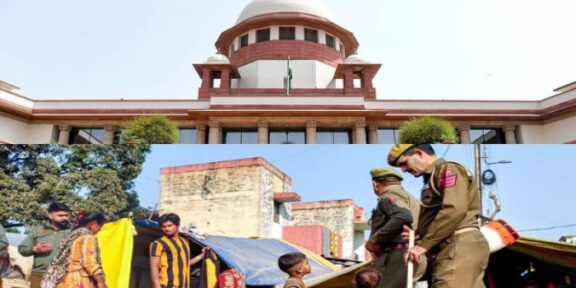
Legal Battle & Supreme Court Verdict (2019)
What the Court Accepted
- The demolition was illegal.
- Archaeological evidence did not conclusively prove a temple beneath the mosque.
- But the court awarded the land to the Hindu side based on the “continuity of belief” and historical faith.
What Was Ordered
- Entire 2.77 acres handed to the Hindu side
- Muslim side allotted 5 acres for a new mosque elsewhere
Why the Decision Sparked Debate
International rights groups and several legal experts argued that:
- The ruling appeared to rely more on faith than law
- A religious structure demolished unlawfully ended up changing ownership
- This raised questions about equality before law
This debate still continues.
Faith vs Justice: An Ongoing National Conversation
The Babri case is not just about land—it represents:
- The clash between religious beliefs
- The limits of judicial interpretation
- The legacy of political mobilization
The Supreme Court’s own acknowledgment of the illegality of the demolition, combined with granting the land to the Hindu side, remains a point of discussion in legal and academic circles.
The Babri Masjid demolition is a landmark moment that reshaped India’s social and political fabric.
While the court tried to balance competing claims, the debate over justice, faith, and constitutional values continues both in India and across the world.