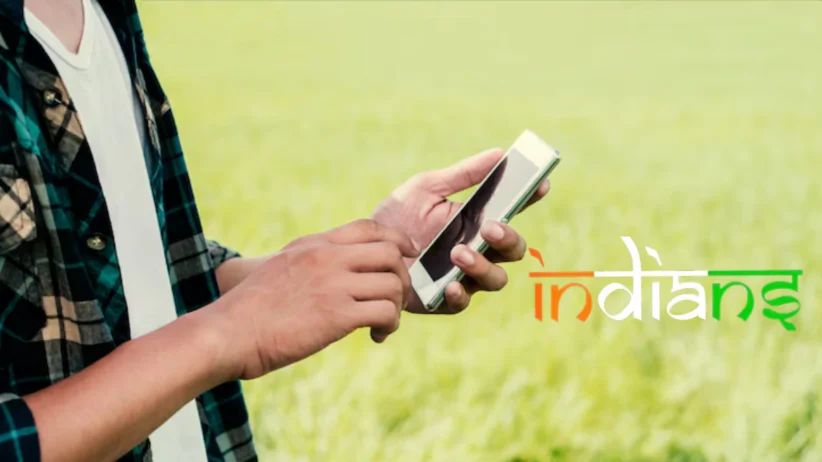
India’s next digital revolution is not happening in metros—it is happening in Tier-3 towns and remote villages. Fuelled by a combination of low-cost data, increasingly affordable smartphones, and rapidly expanding 4G and 5G networks, rural India is emerging as the fastest-growing and most transformative internet consumer base in the world. This demographic shift is fundamentally reshaping the nation’s digital landscape, turning the hinterlands into the undisputed backbone of India’s future economy.
1. Rural India Now Drives the Internet Economy
The sheer scale of rural adoption confirms this shift. According to recent market studies, India now boasts an online population of over 800 million active internet users, with rural areas accounting for more than half of this figure. Projections indicate that the number of rural internet users will exceed 504 million by 2025, cementing its status as the world’s largest rural online population.
This monumental growth is already translating into significant economic opportunity, establishing a new trillion-rupee digital market. The shift is forcing major technology and consumer companies to recalibrate their strategies entirely. To tap into this vast and diverse consumer base, major companies are redesigning apps, optimizing pricing, and localizing services specifically for rural needs, focusing on vernacular language support and simple, low-bandwidth interfaces.
2. What Rural Users Search & Watch the Most
A crucial change is in user behaviour: rural audiences are no longer confined to seeking entertainment. Their internet usage has become highly utility-driven, focused on empowerment and economic betterment.
The top online activities highlight this shift:
- Employment & Government Services: Actively searching for job alerts, local tenders, and information on government welfare schemes.
- YouTube Learning: Consuming educational and skill-based videos, from basic digital literacy to complex agricultural techniques.
- Commerce & Payments: Engaging in online shopping (often favouring Cash on Delivery), and adopting digital payment methods like UPI.
- Local Information: Accessing local news, health information, and education content.
This focused, problem-solving approach makes the rural demographic a high-value market for e-commerce, EdTech, FinTech, and AgriTech companies.
3. The Rise of Rural Creators & Hyperlocal Content
The expansion of connectivity has not only created consumers but also a vibrant ecosystem of creators. More than 65% of new Indian content creators in 2024-25 reportedly came from small towns and Tier-3 cities.
Armed with cheap smartphones and better networks, rural youth are turning into:
- Digital News Reporters: Providing hyperlocal news and updates far quicker than traditional media.
- Agriculture Content Creators: Producing niche videos on modern farming practices, market prices, and soil management.
- Local Vloggers & Job-Information Channels: Creating targeted, language-specific content on community events, local job opportunities, and government scheme eligibility.
This localized, authentic news and information ecosystem is growing in influence, proving more powerful and relatable to rural audiences than mainstream urban-centric media.
4. Challenges Still Remain
Despite the blistering pace of growth, key barriers persist that must be addressed for sustained digital inclusion:
- Infrastructure & Speed: While 4G/5G coverage is expanding, many users still face slow networks and infrastructure limitations in the “last mile” connectivity to individual homes.
- Digital Literacy: A widespread lack of digital education, particularly among older populations and women, limits the effective use of sophisticated services like online banking.
- Affordability of Devices: While data is cheap, the upfront cost of advanced smartphones remains a financial hurdle for the poorest segments.
- Misinformation: The explosion of new content, coupled with lower digital literacy, has led to a major challenge in combating misinformation and building user trust.
To overcome these, public-private initiatives like BharatNet are crucial for improving physical infrastructure, while private developers are focusing on creating ultra-simple, vernacular-friendly apps—such as Google’s Read Along, agriculture advisory apps like Bharat Krushi Seva, and micro-business tools like MeraBills—to bridge the knowledge gap.
India’s digital future will ultimately be decided not in Delhi or Mumbai—but in its villages, blocks, and small towns. The companies that successfully understand and cater to rural behavior, focusing on utility, simplicity, and regional languages, are the ones positioned to rule the digital market tomorrow.